Buy reputationmanagement.eu ?
We are moving the project
reputationmanagement.eu .
Are you interested in purchasing the domain
reputationmanagement.eu ?
domain@kv-gmbh.de · 0541-91531010
Buy reputationmanagement.eu ?
Can someone explain to me the specific difference between tactile perception and haptic perception?
Tactile perception refers to the sense of touch, including the ability to detect pressure, vibration, and temperature through the skin. Haptic perception, on the other hand, encompasses not only touch but also the perception of texture, shape, and size through touch. In essence, haptic perception is a broader term that includes tactile perception but also involves the interpretation of physical properties through touch. **
Can someone explain the specific difference between tactile perception and haptic perception to me?
Tactile perception refers to the sense of touch, which involves the detection of pressure, vibration, temperature, and pain through the skin. On the other hand, haptic perception is a broader term that encompasses not only touch but also the perception of texture, shape, size, weight, and other physical properties of objects through touch. In essence, tactile perception is a subset of haptic perception, with haptic perception involving a more comprehensive understanding and interpretation of physical stimuli through touch. **


Similar search terms for Tactile
Top-Angebote
Products related to Tactile:
-
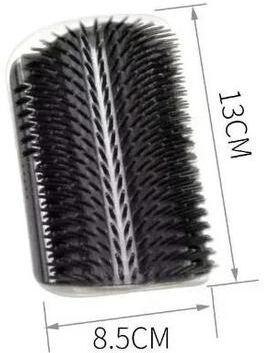
Uplifted Finds Tactile Relief Wall Mount Self Groomer grayOptimize your pets selfcare routine with the TactileRelief SelfGroomer, a highutility enrichment module engineered with feline facialmarking logic. This professionalgrade groomer features a wraparound corner architecture designed to fit standard...35,97 $*Shipping: 0,00 $Secure redirect to the provider
-
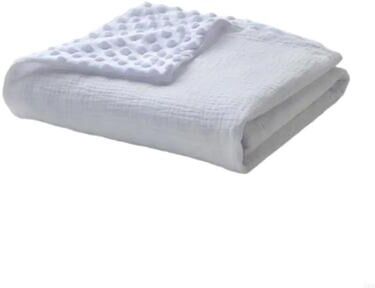
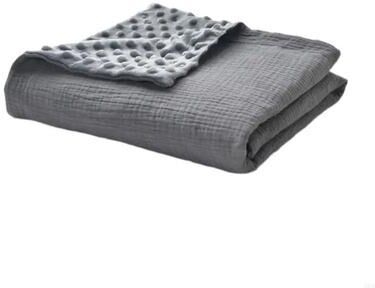
Uplifted Goods Sensory Tactile Pediatric Soothing Blanket a"Establish a high level of nocturnal tranquility with this High Performance Kinetic Comfort Shield. Engineered with a Reinforced ""Bean"" Texture Structural Shield and a specialized duallayer breathable frame, this blanket is designed to provide a..."49,97 $*Shipping: 0,00 $Secure redirect to the provider
-
Uplifted Goods Sensory Tactile Pediatric Soothing Blanket e"Establish a high level of nocturnal tranquility with this High Performance Kinetic Comfort Shield. Engineered with a Reinforced ""Bean"" Texture Structural Shield and a specialized duallayer breathable frame, this blanket is designed to provide a..."49,97 $*Shipping: 0,00 $Secure redirect to the provider
-
Uplifted Goods Sensory Tactile Pediatric Soothing Blanket c"Establish a high level of nocturnal tranquility with this High Performance Kinetic Comfort Shield. Engineered with a Reinforced ""Bean"" Texture Structural Shield and a specialized duallayer breathable frame, this blanket is designed to provide a..."49,97 $*Shipping: 0,00 $Secure redirect to the provider


-
What are the goals for tactile perception with the material pudding paint?
The goals for tactile perception with pudding paint include enhancing sensory experiences by engaging the sense of touch through the unique texture of the paint. This can help individuals, especially children, explore and develop their tactile senses in a fun and interactive way. Additionally, using pudding paint can promote fine motor skills as individuals manipulate and spread the paint with their fingers or hands. Overall, the goal is to provide a sensory-rich experience that encourages creativity, exploration, and sensory development. **
-
What are the goals for tactile perception using pudding paint as a material?
The goals for tactile perception using pudding paint as a material are to engage the sense of touch and promote sensory exploration. By using pudding as a paint material, the goal is to provide a rich, textured experience that allows individuals to feel and manipulate the paint with their hands. This can help to improve fine motor skills, hand-eye coordination, and sensory processing. Additionally, the goal is to create a fun and enjoyable sensory experience that encourages creativity and self-expression. **
-
Will tactile switches be lubricated?
Tactile switches are typically not lubricated because the lubrication can interfere with the tactile feedback mechanism, which is essential for the switch's functionality. Lubrication can also attract dust and debris, leading to potential malfunctions. However, some enthusiasts may choose to lubricate their tactile switches to achieve a smoother and quieter typing experience, but this is not a common practice. Ultimately, it is important to carefully consider the potential impact of lubrication on the tactile switch before making any modifications. **
-
Is this a tactile switch?
Without being able to physically inspect the switch, it is difficult to definitively determine if it is a tactile switch. However, tactile switches typically have a noticeable tactile feedback or "click" when pressed, providing a physical sensation to the user. If the switch in question has this characteristic, it is likely a tactile switch. Additionally, tactile switches often have a slightly different feel and sound compared to other types of switches, such as membrane or linear switches. If the switch exhibits these qualities, it is likely a tactile switch. **

What is a tactile defensiveness?
Tactile defensiveness is a heightened sensitivity or aversion to certain types of touch or tactile sensations. People with tactile defensiveness may react strongly to certain textures, temperatures, or pressures, and may experience discomfort, anxiety, or even pain in response to these sensations. This can impact their ability to engage in activities that involve touch, such as hugging, wearing certain fabrics, or participating in certain recreational activities. Occupational therapy and sensory integration techniques can be used to help individuals with tactile defensiveness manage their sensitivity and improve their ability to tolerate and engage in tactile experiences. **
What is a tactile perception disorder and what does hyposensitivity mean in this context?
A tactile perception disorder is a condition in which an individual has difficulty processing and interpreting tactile information from the environment. This can result in an over-sensitivity (hypersensitivity) or under-sensitivity (hyposensitivity) to touch, texture, temperature, and pressure. Hyposensitivity in this context refers to a decreased sensitivity to tactile stimuli, meaning that the individual may have a reduced ability to feel or respond to touch, pressure, or other tactile sensations. This can impact their ability to perceive and interpret tactile information accurately, which can affect their daily functioning and interactions with the environment. **
Top-Angebote
Products related to Tactile:
-
Uplifted Goods Sensory Tactile Pediatric Soothing Blanket b"Establish a high level of nocturnal tranquility with this High Performance Kinetic Comfort Shield. Engineered with a Reinforced ""Bean"" Texture Structural Shield and a specialized duallayer breathable frame, this blanket is designed to provide a..."49,97 $*Shipping: 0,00 $Secure redirect to the provider
-
Uplift Essentials 3 Piece Bubble Sensory Mirror Set For Toddler Tactile Play 3 Piece Bubble Sensory Mirror Set For Toddler Tactile PlaySpark curiosity, selfawareness, and creative play in young learners with this 3piece bubble sensory mirror set. Featuring raised convex bubble lenses set within colorful childfriendly frames, these interactive acrylic mirrors distort reflections in...128,97 $*Shipping: 0,00 $Secure redirect to the provider
-
Uplifted Finds Tactile Relief Wall Mount Self Groomer grayOptimize your pets selfcare routine with the TactileRelief SelfGroomer, a highutility enrichment module engineered with feline facialmarking logic. This professionalgrade groomer features a wraparound corner architecture designed to fit standard...35,97 $*Shipping: 0,00 $Secure redirect to the provider
-
Uplifted Goods Sensory Tactile Pediatric Soothing Blanket a"Establish a high level of nocturnal tranquility with this High Performance Kinetic Comfort Shield. Engineered with a Reinforced ""Bean"" Texture Structural Shield and a specialized duallayer breathable frame, this blanket is designed to provide a..."49,97 $*Shipping: 0,00 $Secure redirect to the provider
-
Can someone explain to me the specific difference between tactile perception and haptic perception?
Tactile perception refers to the sense of touch, including the ability to detect pressure, vibration, and temperature through the skin. Haptic perception, on the other hand, encompasses not only touch but also the perception of texture, shape, and size through touch. In essence, haptic perception is a broader term that includes tactile perception but also involves the interpretation of physical properties through touch. **
-
Can someone explain the specific difference between tactile perception and haptic perception to me?
Tactile perception refers to the sense of touch, which involves the detection of pressure, vibration, temperature, and pain through the skin. On the other hand, haptic perception is a broader term that encompasses not only touch but also the perception of texture, shape, size, weight, and other physical properties of objects through touch. In essence, tactile perception is a subset of haptic perception, with haptic perception involving a more comprehensive understanding and interpretation of physical stimuli through touch. **
-
What are the goals for tactile perception with the material pudding paint?
The goals for tactile perception with pudding paint include enhancing sensory experiences by engaging the sense of touch through the unique texture of the paint. This can help individuals, especially children, explore and develop their tactile senses in a fun and interactive way. Additionally, using pudding paint can promote fine motor skills as individuals manipulate and spread the paint with their fingers or hands. Overall, the goal is to provide a sensory-rich experience that encourages creativity, exploration, and sensory development. **
-
What are the goals for tactile perception using pudding paint as a material?
The goals for tactile perception using pudding paint as a material are to engage the sense of touch and promote sensory exploration. By using pudding as a paint material, the goal is to provide a rich, textured experience that allows individuals to feel and manipulate the paint with their hands. This can help to improve fine motor skills, hand-eye coordination, and sensory processing. Additionally, the goal is to create a fun and enjoyable sensory experience that encourages creativity and self-expression. **
Similar search terms for Tactile
-
Uplifted Goods Sensory Tactile Pediatric Soothing Blanket e"Establish a high level of nocturnal tranquility with this High Performance Kinetic Comfort Shield. Engineered with a Reinforced ""Bean"" Texture Structural Shield and a specialized duallayer breathable frame, this blanket is designed to provide a..."49,97 $*Shipping: 0,00 $Secure redirect to the provider
-
Uplifted Goods Sensory Tactile Pediatric Soothing Blanket c"Establish a high level of nocturnal tranquility with this High Performance Kinetic Comfort Shield. Engineered with a Reinforced ""Bean"" Texture Structural Shield and a specialized duallayer breathable frame, this blanket is designed to provide a..."49,97 $*Shipping: 0,00 $Secure redirect to the provider
-
Uplifted Goods Sensory Tactile Pediatric Soothing Blanket d"Establish a high level of nocturnal tranquility with this High Performance Kinetic Comfort Shield. Engineered with a Reinforced ""Bean"" Texture Structural Shield and a specialized duallayer breathable frame, this blanket is designed to provide a..."49,97 $*Shipping: 0,00 $Secure redirect to the provider
-
Uplifted Finds Tactile Relief Wall Mount Self Groomer blackOptimize your pets selfcare routine with the TactileRelief SelfGroomer, a highutility enrichment module engineered with feline facialmarking logic. This professionalgrade groomer features a wraparound corner architecture designed to fit standard...35,97 $*Shipping: 0,00 $Secure redirect to the provider
-
Will tactile switches be lubricated?
Tactile switches are typically not lubricated because the lubrication can interfere with the tactile feedback mechanism, which is essential for the switch's functionality. Lubrication can also attract dust and debris, leading to potential malfunctions. However, some enthusiasts may choose to lubricate their tactile switches to achieve a smoother and quieter typing experience, but this is not a common practice. Ultimately, it is important to carefully consider the potential impact of lubrication on the tactile switch before making any modifications. **
-
Is this a tactile switch?
Without being able to physically inspect the switch, it is difficult to definitively determine if it is a tactile switch. However, tactile switches typically have a noticeable tactile feedback or "click" when pressed, providing a physical sensation to the user. If the switch in question has this characteristic, it is likely a tactile switch. Additionally, tactile switches often have a slightly different feel and sound compared to other types of switches, such as membrane or linear switches. If the switch exhibits these qualities, it is likely a tactile switch. **
-
What is a tactile defensiveness?
Tactile defensiveness is a heightened sensitivity or aversion to certain types of touch or tactile sensations. People with tactile defensiveness may react strongly to certain textures, temperatures, or pressures, and may experience discomfort, anxiety, or even pain in response to these sensations. This can impact their ability to engage in activities that involve touch, such as hugging, wearing certain fabrics, or participating in certain recreational activities. Occupational therapy and sensory integration techniques can be used to help individuals with tactile defensiveness manage their sensitivity and improve their ability to tolerate and engage in tactile experiences. **
-
What is a tactile perception disorder and what does hyposensitivity mean in this context?
A tactile perception disorder is a condition in which an individual has difficulty processing and interpreting tactile information from the environment. This can result in an over-sensitivity (hypersensitivity) or under-sensitivity (hyposensitivity) to touch, texture, temperature, and pressure. Hyposensitivity in this context refers to a decreased sensitivity to tactile stimuli, meaning that the individual may have a reduced ability to feel or respond to touch, pressure, or other tactile sensations. This can impact their ability to perceive and interpret tactile information accurately, which can affect their daily functioning and interactions with the environment. **
* All prices are inclusive of VAT and, if applicable, plus shipping costs. The offer information is based on the details provided by the respective shop and is updated through automated processes. Real-time updates do not occur, so deviations can occur in individual cases. ** Note: Parts of this content were created by AI.